Tula Daan is considered one of the most sacred and powerful acts of charity in Sanatan Dharma. In this ritual, a devotee offers donations equal to their body weight (Tula) in items such as grains, fruits, ghee, jaggery, gold, silver, clothes, or other auspicious materials. This daan is performed with pure devotion and humility, symbolizing surrender to the Almighty and detachment from material possessions.
It is believed that performing Tula Daan under divine guidance removes sins, eliminates doshas, and brings blessings of health, wealth, peace, and spiritual upliftment. The Puranas describe it as a Maha Punya Karya that grants longevity and ensures prosperity across generations.
BENEFITS
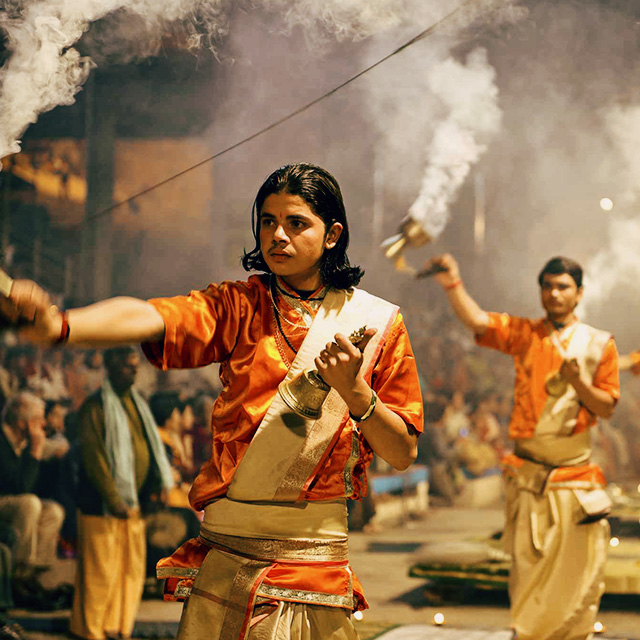
Daily Pujas, Aarti & Temple Worship
The morning and evening adorations (sandhya), being a very important duty of the traditional householder, are mainly Vedic in character but have become lengthy because of the addition of Puranic and Tantric elements.
The three main classes in the classic division of Indian society are the Brahmans, the warriors, and the commoners. The Brahmans, whatever their worldly avocations, claim to have by virtue of their birth the authority to teach the Veda, perform ritual sacrifices for others, and accept gifts and subsistence. The term alms is misleading; the dakshina offered at the end of a rite to a Brahman officiant is not a fee but an oblation through which the rite is made complete.
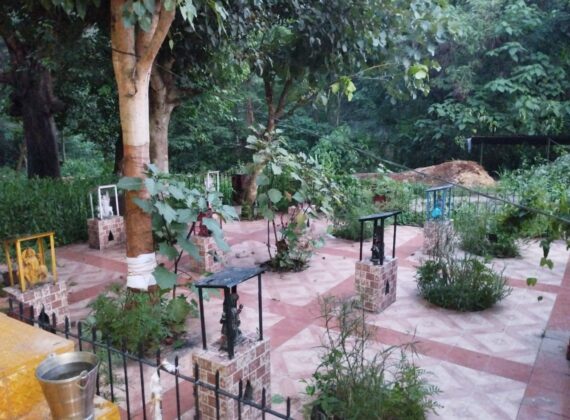
NavGrah puja
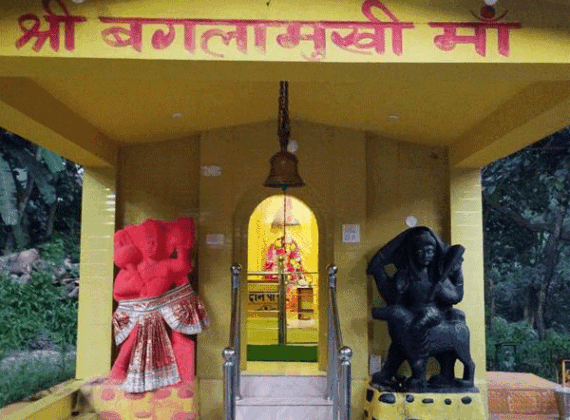
Baglamukhi Mata Puja
According to the texts on dharma, the duty of the fourth class (the Shudras) was to serve the others. According to Hindu tradition, the Veda should not be studied in the presence of Shudras, but they may listen to the recitation of epics and Puranas. They are permitted to perform the five main acts of worship (without Vedic mantras) and undertake observances, but even today they maintain various ceremonies of their own, carried out without Brahmanic assistance.
Yet despite the statements in the texts on dharma, there was considerable fluidity in the status of the castes. Communities such as the Vellalas, for instance, are regarded as Shudras by Brahmans but as a high caste by other groups. Gayetri Mantra Yet despite the statements in the texts on dharma, there was considerable fluidity in the status of the castes. Communities such as the Vellalas, for instance, are regarded as Shudras by Brahmans but as a high caste by other groups. Sacred times and festivalsAccording to Hindu tradition, the Veda should not be studied in the presence of Shudras, but they may listen to the recitation of epics and Puranas. They are permitted to perform the five main acts of worship (without Vedic mantras) and undertake observances, but even today they maintain various ceremonies of their own, carried out without Brahmanic assistance. According to the texts on dharma, the duty of the fourth class (the Shudras) was to serve the others.