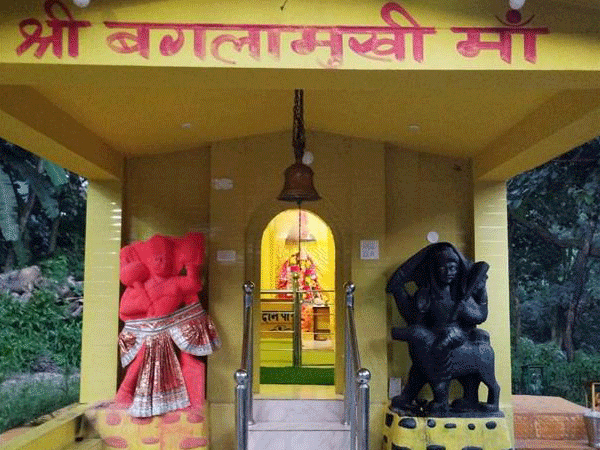
Maa Baglamukhi, one of the ten Mahavidyas, is revered as the goddess of power, protection, and victory. She is the divine force who silences negativity, destroys enemies, and grants strength to overcome obstacles. Worshipping Baglamukhi Mata with full faith removes fears, defeats evil influences, and ensures success in legal, professional, and personal challenges.
During the puja, devotees offer yellow flowers, turmeric, sweets, and chant her powerful mantras, especially the Baglamukhi Beej Mantra, to seek her blessings. Performing this puja is believed to grant courage, inner stability, and victory over adversaries, while bringing peace and prosperity to the devotee’s life.
Baglamukhi Mata’s worship is most auspicious on Thursdays, Navratri, and during special tantric sadhanas. With her divine grace, one gains not only protection from enemies but also spiritual strength and harmony in life.

BENEFITS
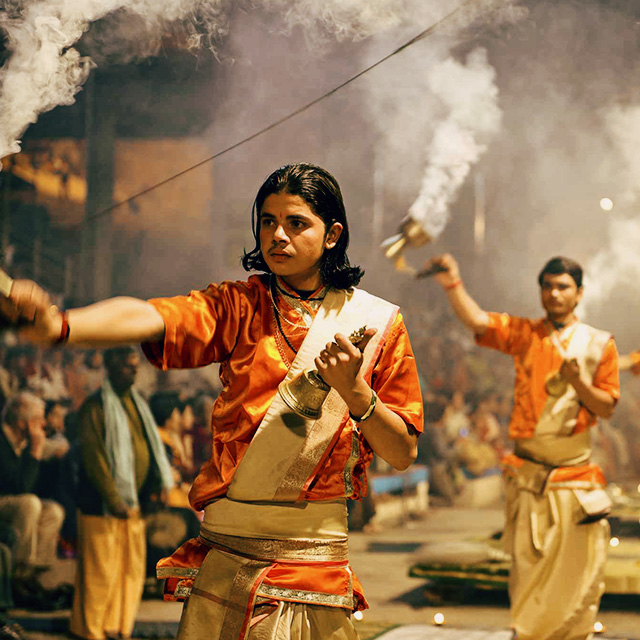
Daily Pujas, Aarti & Temple Worship
The morning and evening adorations (sandhya), being a very important duty of the traditional householder, are mainly Vedic in character but have become lengthy because of the addition of Puranic and Tantric elements.
Maa Baglamukhi, one of the ten Mahavidyas, is revered as the goddess of power, protection, and victory. She is the divine force who silences negativity, destroys enemies, and grants strength to overcome obstacles. Worshipping Baglamukhi Mata with full faith removes fears, defeats evil influences, and ensures success in legal, professional, and personal challenges.
During the puja, devotees offer yellow flowers, turmeric, sweets, and chant her powerful mantras, especially the Baglamukhi Beej Mantra, to seek her blessings. Performing this puja is believed to grant courage, inner stability, and victory over adversaries, while bringing peace and prosperity to the devotee’s life.
Baglamukhi Mata’s worship is most auspicious on Thursdays, Navratri, and during special tantric sadhanas. With her divine grace, one gains not only protection from enemies but also spiritual strength and harmony in life.
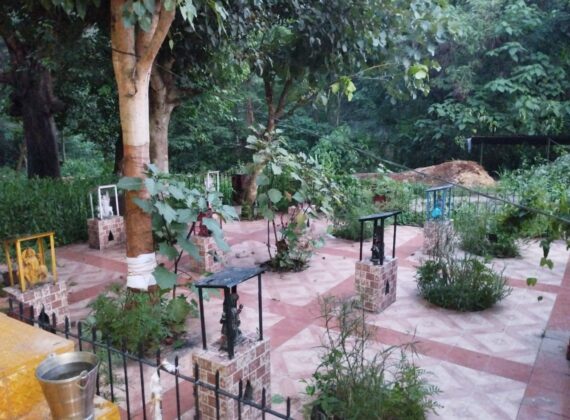
NavGrah puja
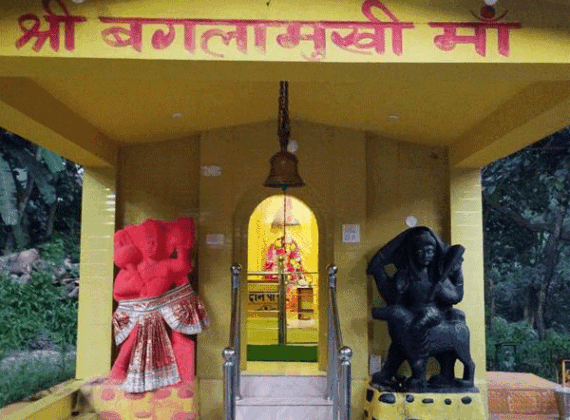
Baglamukhi Mata Puja
According to the texts on dharma, the duty of the fourth class (the Shudras) was to serve the others. According to Hindu tradition, the Veda should not be studied in the presence of Shudras, but they may listen to the recitation of epics and Puranas. They are permitted to perform the five main acts of worship (without Vedic mantras) and undertake observances, but even today they maintain various ceremonies of their own, carried out without Brahmanic assistance.
Yet despite the statements in the texts on dharma, there was considerable fluidity in the status of the castes. Communities such as the Vellalas, for instance, are regarded as Shudras by Brahmans but as a high caste by other groups. Gayetri Mantra Yet despite the statements in the texts on dharma, there was considerable fluidity in the status of the castes. Communities such as the Vellalas, for instance, are regarded as Shudras by Brahmans but as a high caste by other groups. Sacred times and festivalsAccording to Hindu tradition, the Veda should not be studied in the presence of Shudras, but they may listen to the recitation of epics and Puranas. They are permitted to perform the five main acts of worship (without Vedic mantras) and undertake observances, but even today they maintain various ceremonies of their own, carried out without Brahmanic assistance. According to the texts on dharma, the duty of the fourth class (the Shudras) was to serve the others.